
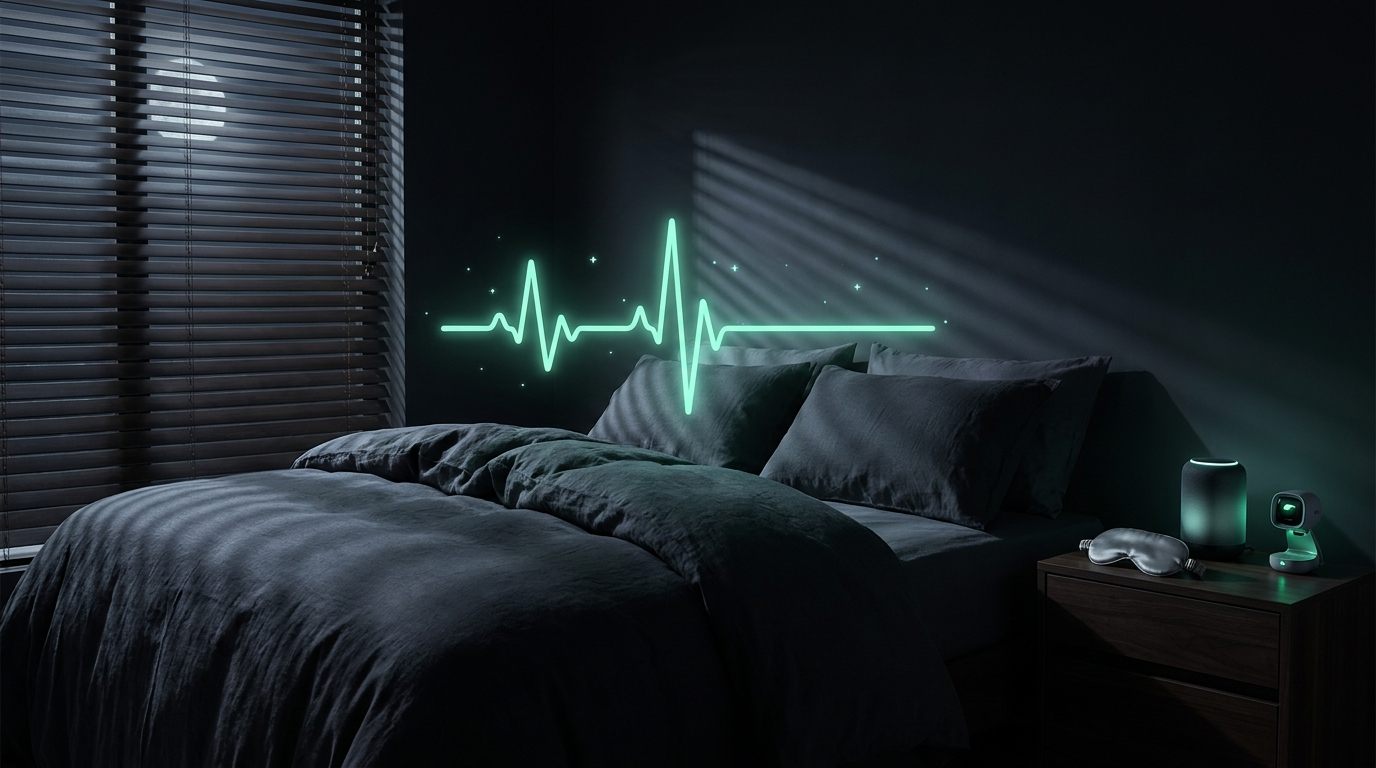
Deep sleep: the recovery protocol for those who live in the night
I operate in the dark. And I learned the hard way that nobody wins the next night without winning the previous night's sleep. When I slept four hours a night, my reflexes dropped, my decisions got worse, and every injury took twice as long to close. The City can't afford that price. Neither can you.
Why sleep is the cheapest treatment there is
During deep sleep (stages N3 and REM), your body releases most of the day's growth hormone, consolidates motor memory — that movement you trained — and runs the brain's metabolic cleanup through the glymphatic system. Consistent studies link sleeping less than 6 hours a night to more injuries in athletes, worse glucose control and a dysregulated appetite (ghrelin rises, leptin falls — and you raid the fridge the way a criminal raids a dark alley).
The Lair's protocol
- Fixed schedule, weekends included. Your circadian rhythm is an ally that never forgives betrayal. One hour of variation, maximum.
- Cold, dark, silent bedroom. Between 64 and 68 °F (18–20 °C). Total blackout — light is melatonin's enemy. If the City is loud, earplugs.
- Cut blue light 90 minutes before bed. Screens scream "it's daytime" at your brain. If you can't put them down, use warm-light filters and lower the brightness.
- Caffeine: last dose 8 hours before bed. Caffeine's half-life is ~5 hours. That 6 p.m. coffee will still be patrolling your bloodstream at midnight.
- Alcohol is not a sedative. It knocks you down, but it fragments REM sleep. You pass out — you don't recover.
- A shutdown ritual. 20 to 30 minutes of light reading, gentle stretching or slow breathing (4 seconds in, 6 seconds out). The body learns the signal.
What about melatonin?
Melatonin is a hormone, not a vitamin. In low doses (0.5 to 3 mg) it can help reset the clock for night shifts and jet lag, but it doesn't replace sleep hygiene — and chronic use should be discussed with a doctor. No supplement fixes a bright bedroom and a phone in your hand at 2 a.m.
The scoreboard
Sleeping well isn't laziness. It's arsenal maintenance. Seven to nine hours a night is the best-supported range for adults. Anything less, and you're patrolling with a torn vest.
Sleep stages, explained in 1 minute
Sleep organizes into ~90-minute cycles, each passing through:
- N1 and N2 (light sleep): transition and consolidation — about half the night.
- N3 (deep sleep): the body's repair shift — growth hormone, tissue repair, immunity. Concentrated early in the night.
- REM: the mind's shift — memory, learning, emotional regulation. Concentrated toward morning.
Sleeping too little cuts exactly the final REM; going to bed late and sleeping badly cuts the early N3. There's no shortcut: the full cycle demands the full night.
The 7-day sleep reset protocol
- Days 1-2: fix your wake time (every day, no exceptions) and get 10 minutes of natural light on waking.
- Days 2-3: cut caffeine after lunch and move alcohol away from the evening.
- Days 3-4: enforce a screen curfew 60-90 minutes before bed; keep the room dark and at 64-68 °F.
- Days 4-5: build the shutdown ritual (light reading, 4-6 breathing, gentle stretching).
- Days 5-7: adjust bedtime until you wake rested BEFORE the alarm. That's your real sleep number.
When to suspect a disorder (and get help)
- Loud snoring with pauses and gasps (possible apnea).
- Taking 30+ minutes to fall asleep, several nights a week, for 3+ months (chronic insomnia).
- Restless legs that only ease with movement at night.
- Daytime sleepiness that disrupts work or driving despite "enough" hours.
In these scenarios, sleep hygiene isn't enough — a sleep physician changes the game.
Frequently asked questions
Is 6 hours enough if I'm "used to it"? Science says you get used to the feeling, not the deficit — performance keeps dropping.
Does weekend catch-up work? It softens the debt but doesn't erase it, and it scrambles your clock for Monday.
Melatonin every night? Not as a self-directed routine — it's a hormone, and chronic use deserves guidance.
Waking at 3 a.m. and going back to sleep? If you fall back quickly, normal. If you toss for 30+ minutes, get up, dim light, calm activity, return sleepy.
Does evening exercise ruin sleep? For most people, training up to 2-3 hours before bed doesn't hurt; test your own response.
A word from the Lair: this content is informational and does not replace medical care. Persistent sleep problems deserve a health professional — go see one.
The Knight's Arsenal
Disclosure: the links below are affiliate links. If you buy through them, the Lair earns a commission — at no extra cost to you. More in our affiliate disclosure.
Sources & references
This article draws on information from the following authoritative sources:
Narrated by The Knight — the editorial persona of Dark Knight Health. Content is produced and reviewed by the editorial team based on authoritative health sources, following our editorial policy. It is informational and does not replace professional medical advice.
From the same sector of the City
Sleepmaxxing: what's worth it and what's just an internet fad
The internet turned sleeping into a gear sport. Some things help; many are expensive theater.
Insomnia: the first-line treatment isn't a pill
Against chronic insomnia, science doesn't point to a pill first — it points to relearning your relationship with the bed.
Sleep apnea: the silent thief that works while you sleep
It steals your rest without you noticing and bills your heart for it. Loud snoring isn't a joke — it can be a warning.