
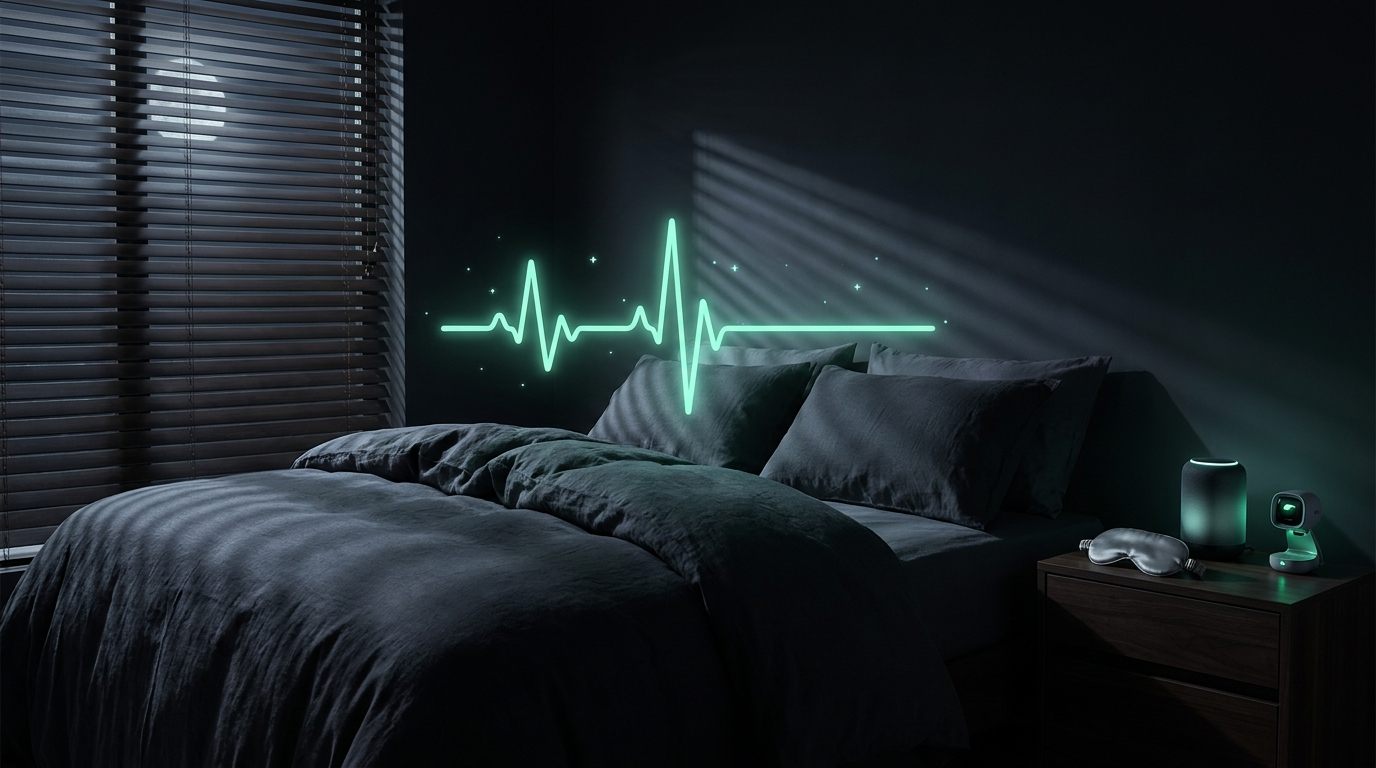
Sleepmaxxing: what's worth it and what's just an internet fad
Sleep became a performance obsession, and with it came 'sleepmaxxing': a flood of hacks, gadgets and rituals for better sleep. Like every movement, there's gold and there's glitter. I, who live the night, separate what fortifies sleep from what only empties your wallet.
What actually has science
- Dark, cold and quiet: the unbeatable trio. Blackout, 64–68 °F (18–20 °C), no noise.
- A regular schedule: sleeping and waking at the same time anchors the body clock.
- Cutting caffeine and alcohol at night: the two biggest saboteurs of deep sleep.
- Morning light: early natural-light exposure regulates the cycle better than any supplement.
- Magnesium (for those with low intake): may help relaxation — a supporting actor, not the star.
What's overblown or 'it depends'
- 'Sleepy mocktails': drinks with magnesium and adaptogens can help the ritual, but the effect is modest and much of it comes from the habit of slowing down.
- Amber glasses at night: cutting blue light makes sense, but simply lowering brightness and dropping the screen delivers nearly the same.
- Sleep trackers: useful for trends, but they breed anxiety when you start chasing the perfect score (there's even a name for it: orthosomnia).
What to avoid
- Mouth taping: it's a craze, but there's little evidence and it can be dangerous for anyone with undiagnosed apnea. Don't play at sealing your breath.
- Stacking ten supplements: more tubs don't buy sleep. Basic hygiene does.
The Lair's order
Master the basics before buying gadgets. Dark, cold, a fixed schedule and screens away at 2 a.m. beat any shiny device. Sleep is a fortress — build the walls before hanging pictures.
A word from the Lair: this content is informational and does not replace medical care. Loud snoring and daytime sleepiness can signal apnea — see a doctor before home hacks.
Sources & references
This article draws on information from the following authoritative sources:
Narrated by The Knight — the editorial persona of Dark Knight Health. Content is produced and reviewed by the editorial team based on authoritative health sources, following our editorial policy. It is informational and does not replace professional medical advice.
From the same sector of the City
Deep sleep: the recovery protocol for those who live in the night
The cheapest treatment there is, and it's in your bed. The Lair's protocol to turn your sleep into real recovery.
Insomnia: the first-line treatment isn't a pill
Against chronic insomnia, science doesn't point to a pill first — it points to relearning your relationship with the bed.
Sleep apnea: the silent thief that works while you sleep
It steals your rest without you noticing and bills your heart for it. Loud snoring isn't a joke — it can be a warning.